
"coffee fruit removal"
8000 article(s) found

Treatment of Coffee fruits-- washing
When the coffee fruit is harvested from the mountain, the next step is to remove the peel and pulp of the coffee beans. There are two main ways of treatment: washing and solarization. But the ultimate determining factor is whether there is enough water to use. Some special boutique coffees are both insolated and washed.

The method of handling coffee beans pocket coffee machine
a. Washing type / non-washing type: in the sink, after rubbing with water and utensils, the pulp and gum are removed and dried, which is called washed coffee beans with uniform quality. Non-washing type: after the sun is naturally dried, the pulp and peel is removed by a sheller, and its quality is unstable. b. The fruit of flat bean / round bean coffee is made up of two oval seeds opposite each other. The connected side

Kopi Luwak | principle of in vivo fermentation of civets? Sidamo candlelight exquisite sun fermentation treatment?
Professional coffee knowledge exchange for more information about coffee beans, please follow the coffee workshop (Wechat official account cafe_style) Kopi Luwak | the principle of civets' fermentation in vivo? Sidamo candlelight exquisite sun fermentation treatment? Sun drying, showing a strong aroma of wine, this is the most primitive, the most simple, the longest treatment of coffee, according to relevant literature records, as early as 1000 years ago in the 11th century.

What are the ways to treat raw coffee beans? What are the advantages and disadvantages of coffee beans treated with sun water and honey?
What are the ways to treat raw coffee beans? What are the advantages and disadvantages? All kinds of raw bean treatment methods, we must first know the structure of coffee fruit, cherry-like coffee fruit, from the outside to the inside are peel, pulp, pectin layer, sheep skin (seed shell), silver skin, seed. The thickness of pectin layer is about 1-2mm, which can be thought of as tomato.

The production process of coffee beans A coffee tree can harvest 3 Mel 5 kg of fruit.
A coffee tree can harvest 3-5 kg of fruit, and raw coffee beans account for 1. 5% of the fruit quality. Going from fruit to raw coffee beans is really a time-consuming and laborious task. Arabian, Robusta and Librian Arabian coffee account for about 2% of the world's coffee production. The plant is not suitable for high temperature, low temperature, more rain and less rain. Coffee beans are oval flat and have a high height.

Coffee beans-Overview and handling of boutique coffee
Coffee beans-specification coffee beans washable coffee beans A. Washing type / non-washing type: in the sink, after rubbing with water and utensils, the pulp and gum are removed and dried, which is called washed coffee beans with uniform quality. Non-washing type: after the sun is naturally dried, the pulp and peel is removed by a sheller, and its quality is unstable. b. The fruit of flat bean / round bean coffee is made up of two oval

Advantages and disadvantages of sun treatment method, water washing method and semi-washing method
Professional coffee knowledge exchange more coffee bean information Please pay attention to the coffee workshop (Wechat official account cafe_style) washing treatment will remove the sticky pulp from the coffee beans before drying, so as to ensure that the drying process will not over-ferment or produce more mold, the cost of washing is higher than the sun treatment. The first step is to pour the coffee into the sink after picking and cook.

Different treatments of coffee beans introduce the differences in the description of flavor and taste of water washing and sun honey treatment
Dry process/Natural method is the oldest and most primitive treatment of coffee beans. Arabs used this method to deal with coffee more than a thousand years ago. The harvested coffee cherries are directly exposed to the sun on the terrace and receive direct sunlight exposure (about 27-30 days). The moisture content is changed from 60% to only 12%. This treatment, the concept.

Coffee raw bean treatment classification, different treatment of coffee is not very different?
For information, please pay attention to the coffee workshop (Wechat official account cafe_style) after the coffee fruit is ripe and picked from the tree, it will be processed into dried coffee beans, so there are basically three drying methods / sun drying method / natural treatment method (Dry process----natural method) wet treatment method / water washing method (Wet process----washe).

Popular science | how coffee is made, a summary of several common ways to treat raw coffee and beans
Professional baristas Please follow the Coffee Workshop (Wechat official account cafe_style) it is well known that there are many ways to treat coffee beans, but do you know the difference between them? Well, today, the editor will give you some of the most common treatments for raw coffee beans. Sun treatment is a traditional method for the initial processing of coffee beans, currently in Ethiopia and Yemen.

Description of Flavor in Coffee Bean processing and washing process introduction of varieties in taste producing areas
Coffee bean processing washing step flavor description taste production area variety introduction 1. Choose beans: if you put the harvested fruit in the water tank, the ripe fruit will sink, while the immature and overripe fruit will float up and can be removed. two。 Drying: place the selected ripe fruits in the square and expose them to the sun for 5 or 6 days until fully dried. At this time, the fruit turns dark brown

A brief analysis of the common coffee bean treatment methods the differences between coffee bean treatment methods and their advantages and disadvantages
Professional coffee knowledge exchange more coffee bean information please follow the coffee workshop (Wechat official account cafe_style) how coffee is made, several common coffee raw bean treatment methods are well known, there are many ways to treat coffee beans, but do you know the difference between these treatments? Some of the most common treatments, the sun treatment, will first turn the mature or semi-mature

What are the flavor characteristics of washed coffee beans? The difference between coffee washing method and semi-washing method
Professional coffee knowledge exchange more coffee bean information Please pay attention to the coffee workshop (Wechat official account cafe_style) washing method adding fruit acid elf washing is currently the most popular treatment, with the exception of Brazil in Central and South America almost all the water washing method. The color of washed beans is blue and green, the beans look neat and sell well, and the coffee quality is the highest. Generally speaking, the sour smell of washed beans and

The characteristics of washed coffee beans how to drink water washed coffee
Professional coffee knowledge exchange more coffee bean information Please pay attention to the coffee workshop (Wechat official account cafe_style) coffee beans are the seeds of coffee fruit, also known as coffee cherry. After removing the exocarp and pulp of the coffee fruit, you will get two coffee seeds, that is, coffee raw beans. Coffee fruit is easy to rot when ripe and picked, so it should be done in time.

What is washing treatment?
1, choose beans: put the harvested fruit in a water tank and soak for about 24 hours. At this time, ripe fruit will sink, while immature and overripe fruit will float up and can be removed. 2. Remove the pulp: use a machine to remove the skin and pulp, leaving only the coffee beans wrapped in the endocarp. At this time, there is a layer of mucous membrane on the outside of the beans, and the process of washing is to wash this.

Specifications of coffee beans what are the coffee farms?
a. Washing type / non-washing type: in the sink, after rubbing with water and utensils, the pulp and gum are removed and dried, which is called washed coffee beans with uniform quality. Non-washing type: after the sun is naturally dried, the pulp and peel is removed by a sheller, and its quality is unstable. b. The fruit of flat bean / round bean coffee is made up of two oval seeds opposite each other. The connected side

Coffee tanning treatment, washing, taste and flavor advantages processing process
Coffee sun treatment water washing taste flavor price process water washing is the most popular treatment method, most of the boutique coffee beans will choose water washing method. Washing coffee refining process: harvesting storage tank (removal of impurities and unripe beans) pulp removal machine (removal of pulp and impurities) fermentation tank (removal of mucous membrane attached to endocarp) washing pool (selection of light weight and hard beans
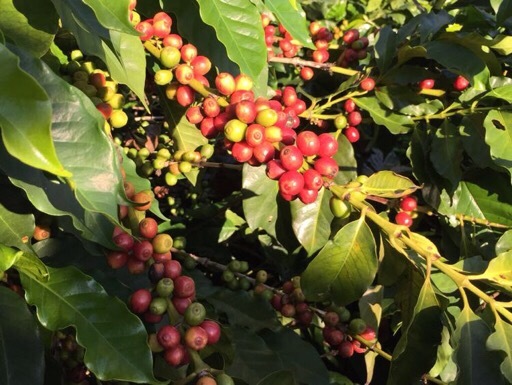
What is washing treatment?
1, choose beans: put the harvested fruit in a water tank and soak for about 24 hours. At this time, ripe fruit will sink, while immature and overripe fruit will float up and can be removed. 2. Remove the pulp: use a machine to remove the skin and pulp, leaving only the coffee beans wrapped in the endocarp. At this time, there is a layer of mucous membrane on the outside of the beans, and the process of washing is to wash this.

Differences and characteristics of three treatments of raw coffee beans: washing, sun drying and honey treatment
The treatment methods of raw coffee beans can be divided into three types: sun drying, washing and honey treatment. Each method is based on the fact that several layers of substances are removed from the fruit before the coffee is dried. [sun] [natural sun treatment: retain all substances] the fruit begins the sun-drying process without treatment after picking. This is the oldest method of treatment in existence. The process of drying is usually

The coffee in the dangerous place has the special flavor of the coffee bean.
Professional Coffee knowledge Exchange more Coffee Bean Information Please note Coffee Workshop (Wechat account cafe_style) Front Street-dangerous Land Antigua Flower God Water washing Zone: Antigua Raminita altitude: 1850m varieties: bourbon, Kaddura, Kaduai processing: washing processing Zone is one of the most dangerous places in Central America.